A worldwide celebration of linguistic diversity, multilingualism, and multilingual education
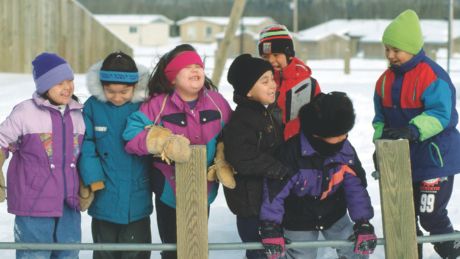 Group of First Nations kids. Photo credit: Fred Cattroll.
International Mother Language Day has been celebrated every February 21 since its initial proclamation by the general conference of the United Nations Educational, Scientific and Cultural Organization (UNESCO) in 1999. The purpose of the day is to recognize and further efforts to safeguard linguistic diversity, promote multilingualism, and enhance multilingual education.
There are over 8,000 languages in existence around the globe, evidence that multilingualism is an inherent aspect of human experience. All languages, including Indigenous languages, serve a vital role in transmitting identity, knowledge, and culture from one generation to the next. According to UNESCO, multilingualism also has cognitive, social, and economic benefits; multilingual individuals tend to exhibit greater empathy and enhanced problem-solving skills. In addition, “societies that embrace linguistic and cultural diversity often experience greater social cohesion than those with monolingual, assimilationist policies.”1 Despite all this, “only a few hundred languages have genuinely been given a place in education systems and the public domain, and less than a hundred are used in the digital world.”2
Multilingual education helps learners foster a deeper connection between education and culture
To remedy the situation, UNESCO has published guidance to support implementing multilingual education. Ministries of Education and other educational organizations are encouraged to learn more about the benefits of multilingual education and to mobilize mother language-friendly legislation, policies, partnerships, and curriculum. UNESCO points out that “multilingual education, particularly for minority and Indigenous languages, not only helps learners but also fosters a deeper connection between education and culture, contributing to more inclusive and equitable societies.”3
International Mother Language Day is one of several days related to language that are officially celebrated by the United Nations. The other days include International Day of Sign Languages (September 23) and International Translation Day (September 30). The United Nations also declared 2022-2032 the International Decade of Indigenous Languages to promote awareness of the precarious situation of many Indigenous languages and to support efforts to preserve and revitalize them.
Related links