A stage for Indigenous voices
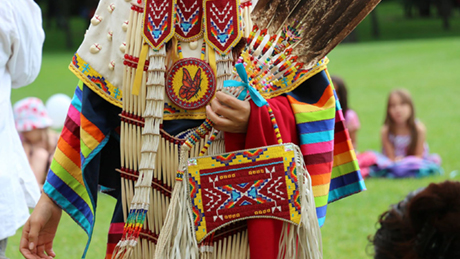 Photo credit © 2026 Ibrahim Khan, "Traditional regalia, Saskatchewan".
In 2009, the Government of Canada designated June as National Indigenous History Month to recognize and celebrate the history, cultures, and experiences of First Nations, Inuit, and Métis. Since then, the scope and importance of this annual event have grown. Canadians across the country are encouraged to participate in Indigenous-led events, activities, and learning opportunities to better understand the First Nations, Inuit, and Métis communities around them. Through storytelling, Pow Wows, and art exhibits, Indigenous communities give their non-Indigenous neighbours access and insights into their histories and traditions, while asking them to recognize and accept our shared colonial past. It’s hoped that this greater understanding will bring more empathy, help disprove common stereotypes, and support relationships founded on respect.
Emphasizing reconciliation, as outlined in the Truth and Reconciliation Commission's 94 Calls to Action, National Indigenous History Month encourages governments, organizations, and individuals to confront disparities and inequities connected to colonialism. Listening to survivor stories, roundtable discussions, and historical reenactments gives non-Indigenous Canadians the opportunity to go beyond a surface understanding of the impact of residential schools, treaty rights, cultural differences, and more, with the goal of turning spectators into allies. Taking part in community dialogues and land acknowledgements can demonstrate a commitment to advocacy and support for Indigenous-led initiatives.
Throughout the month of June, and ideally beyond, National Indigenous History Month combines education, celebration, and action into a national movement. This month, Indigenous voices are given a stage, creating a more inclusive space built on consent and respect for all Canadians to thrive.
Learn more
National Indigenous History Month
Respectful relationships