Recognition of the rights of Indigenous Peoples
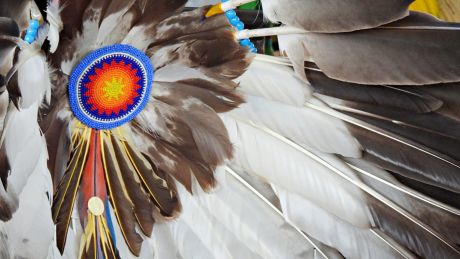 Photo credit: iStock.com.
In 1994, the United Nations (UN) General Assembly adopted resolution 49/214 to observe the International Day of the World’s Indigenous People on August 9 every year. This date was chosen because it marks a milestone in the recognition of the rights of Indigenous Peoples at the international level; it was the first day of the meeting of the United Nations Working Group on Indigenous Populations, held in Geneva in 1982.
The International Day of the World’s Indigenous Peoples was created to raise awareness of the needs of the estimated 476 million Indigenous Peoples living in 90 countries around the world. Indigenous Peoples speak the overwhelming majority of the world’s estimated 7,000 languages, representing 5,000 different cultures, yet they are “amongst the most disadvantaged” populations in the world, requiring special measures to protect their rights as distinct peoples.
To this end, the UN resolution recognized:
- the value and diversity of the cultures and forms of social organization of the world’s Indigenous Peoples;
- the distinct contributions that Indigenous Peoples “can and should make” to humanity; and
- the importance of strengthening the human and institutional capacities of Indigenous Peoples to develop their own solutions to their problems.
Milestones in the advancement of Indigenous Peoples’ rights
In the decades since the first observance of the International Day of the World’s Indigenous Peoples, the international community has achieved further milestones in the advancement of Indigenous Peoples’ rights. They include creating, in 2000, the “Permanent Forum on Indigenous Issues”, an advisory body to the UN to discuss issues related to economic and social development, culture, the environment, education, health, and human rights.
The “UN Declaration on the Rights of Indigenous Peoples” (UNDRIP), which establishes a universal framework of minimum standards for ensuring the well-being of Indigenous Peoples around the world, was adopted by an overwhelming majority of member countries in the UN General Assembly. At the same time, two further UN bodies with an Indigenous-specific mandate came into being: an “Expert Mechanism on the Rights of Indigenous Peoples,” as well as a “Special Rapporteur” to provide expertise and further support the promotion and protection of the Indigenous rights worldwide.
References