Coming together in community is essential
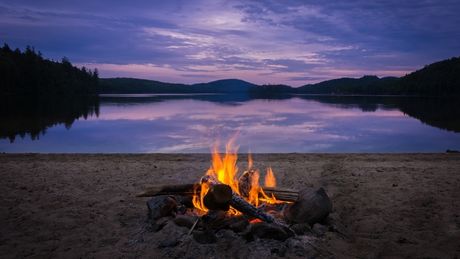 Photo credit: iStock.com.
Message from Dr. Terri Aldred, Academic Lead, National Collaborating Centre for Indigenous Health
While we often use this platform to amplify and uplift Indigenous voices in healthcare, I wanted to take a moment to acknowledge something more personal. Many of us have spent the past several months watching current events unfold with a mix of surprise, uncertainty, and, at times, deep distress. These moments have affected us not only as healthcare professionals, but as people, family members, and members of our communities.
We recognize the harms brought to so many due to environmental, economic, and political conflicts, and this is not intended to be a commentary on the current state of affairs. Instead, it is an invitation to reflect on the past months through the lens of support, community, and culture. What began as a reaction to the challenges we have witnessed has become a reminder of something much deeper: that coming together in community is essential to our collective well-being and to the continued strength and thriving of our communities.
Community and resilience
Whether through knowledge sharing, supporting one another in our work, or creating space for connection and healing, community remains one of our greatest sources of resilience. It’s a message longtime NCCIH Advisory Committee member Michael Bird emphasizes. “We need to be kind to each other. We need to be supportive of each other. We need to be honest with each other. And the more we can do that, the more success we'll have – not just for the individual, but for our entire community.”
It is also important to remember that we need to be able to not only give support, but to also receive it and recognize our own individual health. Caring for our own well-being is an essential part of sustaining ourselves, our families, and our communities. Supports for personal well-being and mental health are available. The First Nations Health Authority (FNHA) in B.C. have created a link to a list of mental health and cultural supports. Some of these resources are only available to First Nations people in B.C. but many are available to all Indigenous people across the country. Seeking support takes courage and is a sign of hope and healing, please don’t hesitate to reach out to these resources or others in your area.
Cultural safety resources
It can often feel overwhelming to take in everything that is happening. That's why we encourage starting small - meaningful change begins with small, intentional steps. If you're looking for ways to better understand how you can make a positive difference, the Cultural Safety Collection is a great place to start. It offers practical resources and guidance to help you build knowledge, strengthen respectful relationships, and take informed action, one step at a time.
While June is an important time to recognize and celebrate the histories, cultures, contributions, and resilience of First Nations, Inuit, and Métis Peoples, our commitment to reconciliation and cultural safety should not end when the month does. We can commit to continuing our cultural safety journeys throughout the whole year.
Cultural safety seeks to address health inequities experienced by Indigenous peoples within all health care interactions and embodies principles of cultural humility, competency, and awareness. As Advisory Committee Chair Dr. Warner Adam said, the NCCIH’s work is rooted in Indigenous values, with one of the most important being “the gift of sharing – ensuring that everybody is properly provided for in terms of knowledge in the mind, body, spirit and soul – and of course, love.”
As we continue navigating an ever-changing world, may we continue to create spaces where Indigenous voices are valued, cultures are celebrated, and communities are supported to thrive – today and for generations to come.
Sna Chaylia,
Dr. Terri Aldred
Academic Lead, National Collaborating Centre for Indigenous Health